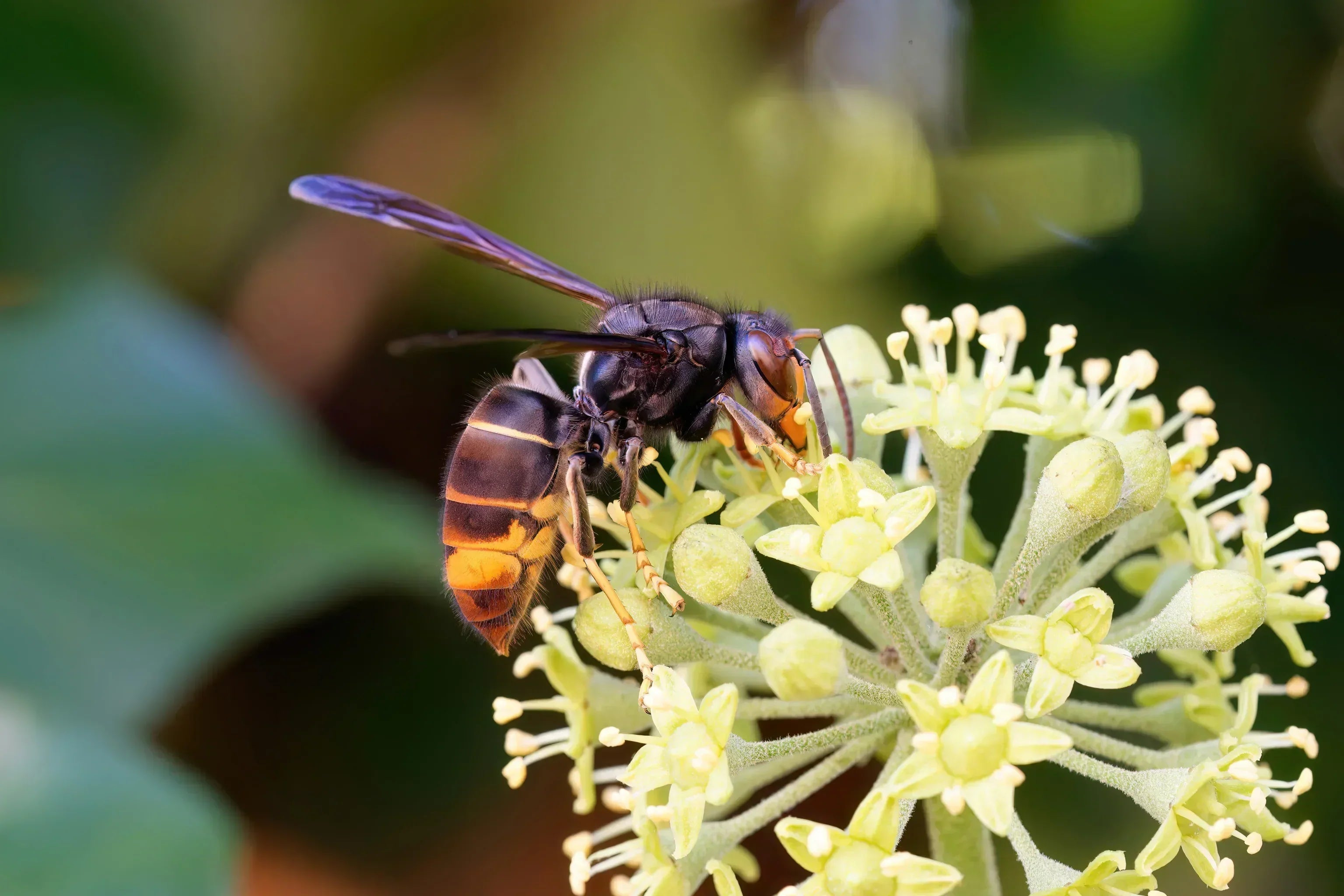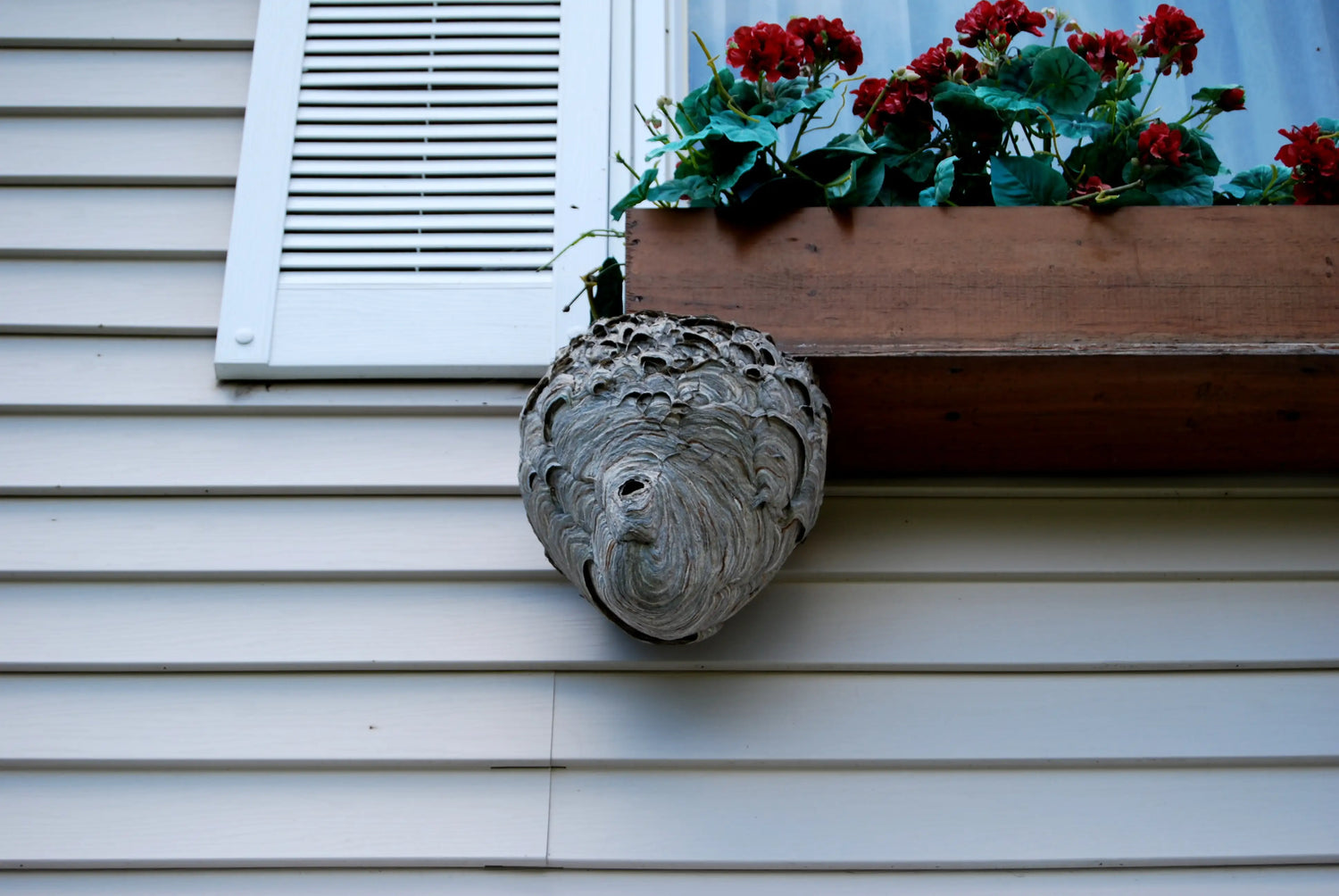
Discovering a wasp nest at home is both surprising and anxiety-inducing. Whether in a garden, under a roof, in an attic, or near a patio, the question immediately arises: what to do about a wasp nest?
This is a legitimate concern. Wasps are stinging insects capable of defending their nest collectively, and an improper reaction can quickly turn an ordinary situation into a dangerous incident.
This article is designed to guide you step by step. You will understand the real risks, learn how to assess the situation, know what you can do yourself, and above all, identify when it is best to call in a professional. The goal is not to alarm you, but to enable you to act in an informed and safe manner.
Why discovering a wasp nest is always a delicate matter
When you ask what to do about a wasp nest, it is because the potential danger is real. Wasps are social insects, organized around a queen and highly protective of their nest. Unlike an isolated wasp, a nest represents a permanent presence, with continuous coming and going.
The main risk is that the nest may be discovered late, sometimes after several weeks of establishment. At this stage, the colony is often well developed, which increases the number of wasps present and therefore the risk of attack if disturbed.
How to recognize a wasp nest and assess the situation
Before knowing what to do about a wasp nest, it is essential to carefully observe the situation. Not all nests present the same level of risk.
A wasp nest can be:
-
Visible and attached under an eave,
-
Hidden in a wall or attic,
-
Located in a tree, hedge, or garden shed,
-
Sometimes located in the ground.
Observing the coming and going is a key indicator. Intense activity, with wasps continuously entering and leaving, indicates an active nest. The closer the nest is to a walkway or a home, the greater the vigilance must be.
What are the risks associated with a wasp nest near the home?
The question what to do about a wasp nest is closely linked to the risks involved. Wasps can sting when they feel threatened, and a sting is often painful. While an isolated sting is generally not serious, multiple stings can become dangerous, especially for children, the elderly, or allergic individuals.
The main danger lies in a collective attack. A vibration, noise, sudden movement, or clumsy attempt at intervention can trigger a rapid defensive reaction from the entire colony.
Common mistakes to absolutely avoid
Faced with a nest, many people instinctively look for a quick solution. However, certain actions make the situation worse.
If you are wondering what to do about a wasp nest, here is what you should not do:
- Attempting to destroy the nest with an object,
-
Using flammable or improvised products,
-
Intervening in broad daylight when the wasps are very active,
- Sealing the entrance to the nest.
- These actions greatly increase the risk of attack and can cause serious injury.
Can you destroy a wasp nest yourself?
This is often the central question behind what to do about a wasp nest. The answer depends on the context. In some very specific cases—a small nest at the beginning of the season, far from living areas, with low activity—intervention may be considered with great caution.
However, in the majority of situations, the destruction of a wasp nest by an individual is risky. A lack of equipment, protection, and knowledge of wasp behavior exposes you to unpredictable attacks.
When and how to act effectively against a wasp nest?
Asking what to do about a wasp nest also means understanding that not all situations require the same response. Before considering a major intervention, it is essential to assess the context and act progressively, safely, and appropriately.
In many cases, it is neither necessary nor desirable to immediately resort to a professional intervention. Today, modern solutions allow individuals to act themselves, remotely, without direct contact and without using toxic products.
BeeZen: the first response to a wasp nest
When a wasp nest is identified or wasps regularly circulate around a home, BeeZen is the first-choice solution. Designed for home use, BeeZen allows you to intervene completely safely, without approaching the nest and without exposing the user to a risk of sting.
Thanks to BeeZen, it is possible to:
- Act remotely on the most active wasps,
- Quickly reduce pressure around a sensitive area,
- Secure a patio, garden, or home entrance,
-
Intervene without insecticide or chemical products.
By gradually eliminating visible individuals, BeeZen disrupts the organization of the colony and limits activity around the nest. In many situations, this targeted action can be enough to make coexistence bearable, or even lead the wasps to abandon the site.

A progressive and responsible approach
Managing a wasp nest should not be done abruptly. A progressive approach, combining observation, securing the area, and targeted action with BeeZen, often helps avoid an unnecessary escalation.
Wasp traps can also be used as a supplement, particularly to divert activity toward less frequented areas. However, they should never be considered a sole or definitive solution for an active nest.
When to consider a professional intervention?
Even though BeeZen allows you to manage many situations effectively, some configurations require specialized intervention. It is then recommended to call a professional when:
- The nest is very large or old,
- The nest is difficult to access (height, cavity, wall),
- The nest is located inside a home,
- The activity is extremely intense and continuous,
- Allergic people, children, or fragile animals are exposed.
In these specific cases, professional intervention comes as a supplement, when self-management solutions are no longer sufficient to guarantee safety.
The goal: act without putting yourself in danger
Answering the question what to do about a wasp nest does not mean choosing between “doing nothing” and “destroying everything.” It means adopting a smart strategy: start by securing the area, reducing the nuisance, regaining control with appropriate tools like BeeZen, and only resorting to a major intervention if the situation truly requires it.
This approach effectively protects occupants, helps avoid accidents, and manages the presence of wasps in a responsible and calm manner.
How to react in case of a sting?
In the context of what to do about a wasp nest, it is important to know how to react in case of a sting. You should disinfect the area, apply cold, and monitor for the appearance of unusual symptoms. In case of an allergic reaction or multiple stings, a medical consultation is essential.
Prevention: the best way to avoid a wasp nest
Prevention is often neglected, even though it is essential. To avoid having to ask what to do about a wasp nest, it is advisable to:
- Monitor areas conducive to nest building in the spring,
-
Limit accessible food sources,
-
Maintain shelters and corners,
-
Stay alert to early signs.
Early detection often allows you to act before the colony becomes problematic.
Adopt a calm and reasoned approach
Discovering a wasp nest is stressful, but rushing is rarely a good idea. The question what to do about a wasp nest calls for a careful analysis of the situation first: location, activity, real risk.
In many cases, observing, securing the area, and seeking advice can help avoid unnecessary or dangerous interventions.
What to remember
Asking what to do about a wasp nest is a normal reaction. Wasps are insects that are useful to the ecosystem, but their proximity to humans can cause problems. The main thing is to understand the risks, avoid dangerous actions, and know when to call for professional help.
With the right information and a thoughtful approach, it is possible to manage the situation completely safely, without panic and without taking unnecessary risks.